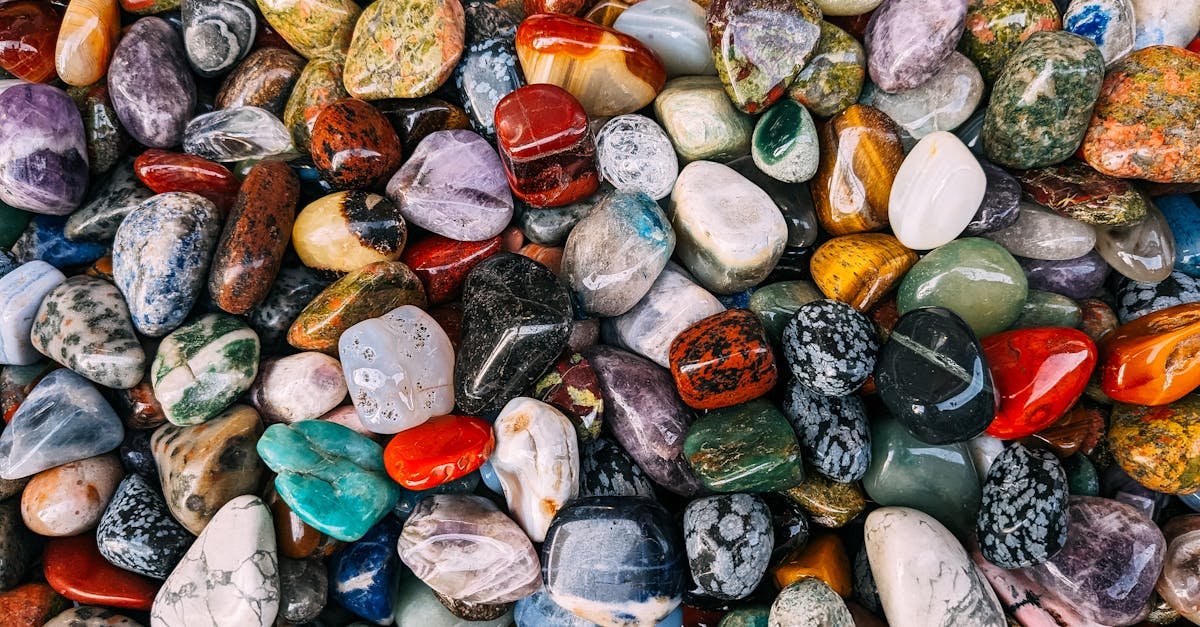
You saved up for your first big amethyst point. It arrived shiny, bright purple, and suspiciously cheap. A month later, someone online casually mentions it’s dyed glass.
If you’ve ever felt unsure about where to buy crystals in South Africa, you are not alone. The local market is flooded with dyed stones, lab-grown lookalikes, and sellers who cannot tell you where their crystals actually came from.
This guide is for working South Africans who want real crystals without guesswork. You’ll learn how to spot a fake, which real crystal shops in South Africa are worth your money, and what an authentic stone should actually cost in 2026.
Why So Many Crystals Sold Online Are Fake
The crystal industry is not regulated. That’s the short answer.
There’s no certifying body checking whether the “rose quartz” you just bought is actually quartz or pink-tinted glass. This makes it easy for dropshippers, markup resellers, and overseas factories to flood the market with fakes.
Common fakes circulating in South Africa right now:
- Dyed howlite sold as turquoise
- Glass sold as citrine or green aventurine
- Heat-treated amethyst sold as natural citrine
- Resin and plastic moulded into “crystal” shapes
- Reconstituted stone (crushed mineral powder + glue) sold as solid specimens
- Man-made goldstone sold as a natural copper crystal
Most sellers won’t mention any of this. Some genuinely don’t know themselves because they’re reselling from overseas suppliers without ever checking the source.
[Internal link opportunity: link to a related blog post such as “Malachite vs Green Aventurine” or a future post on “How to Spot Dyed Crystals”]
How to Tell if a Crystal is Real or Fake (Checklist)
Before you spend another rand, run any stone through this quick check. If it ticks three or more red flags, walk away.
- The price is too cheap. A large clear quartz point for R50 is almost always glass or resin.
- The colour is too perfect. Real crystals have zoning, inclusions, and colour variations. Flawless “candy” colours are a red flag.
- It feels like plastic. Real stone is noticeably cold to the touch and has weight. Plastic and resin feel warm and light.
- There’s no sourcing information. The seller can’t (or won’t) tell you the country or mine it came from.
- You can see air bubbles inside. Only glass has air bubbles. Natural crystals do not.
- The surface is uniformly shiny. Natural crystals have matte patches, natural fractures, and imperfect edges.
- Every single piece is labelled “rare.” Actually rare minerals are, by definition, rare. Not every piece in a shop can be.
- There’s no expert involved. Anyone can call themselves a crystal specialist. Look for a qualified geologist, mineralogist, or gemologist backing the selection.
Screenshot this list. Use it every time you shop online.
Best Places to Buy Real Crystals in South Africa
These are the South African crystal shops worth knowing about. Each has different strengths depending on what you’re looking for.
1. Heal Align Thrive
Website: shop.ozyn.co.za
Heal Align Thrive is one of the only crystal shops in South Africa where a qualified geologist personally verifies every stone before it’s listed. Every crystal is naturally formed, correctly identified, and sourced transparently — no dyed howlite, no resin, no glass pretending to be citrine.
Beyond crystals, the shop stocks nervous system support jewellery, sound healing tools, ethically sourced incense, and essential oils.
Best for: buyers who want verified authentic crystals from someone who can actually explain the geology behind them.
[Internal link: link to main /shop page and Collectors Corner product category]
2. Hello Indigo Halo
Website: helloindigohalo.co.za
Woman-owned online shop with a physical store in Stellenbosch. Thoughtfully curated collection of crystals, jewellery, and ritual tools. Regulars at SA wellness markets.
Best for: Cape Town shoppers who want to browse in person.
3. Mystic Crystals
Website: mysticcrystals.co.za
Eco-conscious, off-grid business in the Western Cape with over a decade in the industry. Strong customer reviews and affordable domestic shipping from R75.
Best for: environmentally conscious buyers supporting a small, sustainable business.
4. Rare Earth Crystals
Website: rare-earth-crystals.co.za
Durban North–based shop set in an indigenous garden sanctuary. Wide selection and consistently praised for fast, careful packaging.
Best for: KZN locals and shoppers who value personal service.
5. Amazing Crystals
Website: amazingcrystals.co.za
Large inventory spanning crystals, minerals, and esoteric merchandise. Geared toward serious collectors and broader metaphysical shoppers.
Best for: collectors hunting variety and rare specimens.
6. The Crystal Cove
Website: thecrystalcove.co.za
Curated metaphysical shop with a focus on intentional crystal work, meditation tools, and backflow incense burners.
Best for: buyers who want a focused, intention-based selection.
7. Crystal Deva
Website: crystaldeva.co.za
Premium curated crystals and spiritual jewellery with a clean, modern aesthetic. Beautifully photographed product range.
Best for: shoppers looking for gift-worthy pieces.
8. Gems for Healing
Website: gemsforhealing.co.za
Brits-based online and physical shop selling crystals alongside herbs, anointing oils, and magic salts.
Best for: buyers wanting a full metaphysical shopping experience.
9. Smudge SA
Website: smudge-sa.co.za
Online-only store run by a certified Usui and Crystal Reiki Master. Focus on imported rare minerals, each cleansed with reiki before shipping.
Best for: energy workers who value reiki-blessed, high-vibrational stones.
10. Soul Sparks
Website: soulsparks.co.za
Combines crystal sales with distance healing sessions, energy clearing, and intuitive readings.
Best for: buyers looking for products and services under one roof.
What to Look for in a Trusted Crystal Shop
Before handing over your card, check whether the shop does the following:
- Names the country of origin for each crystal (Brazil, Madagascar, Namibia, Zambia, South Africa, etc.)
- Uses the correct mineral name — for example, “heat-treated amethyst” rather than fake citrine
- Has a qualified expert (geologist, mineralogist, or certified gemologist) involved in sourcing
- Shows real photos of the actual piece you’re buying, not stock images
- Has clear return and refund policies
- Responds to questions about authenticity without getting defensive
A trustworthy shop will never be offended by questions. If someone goes quiet when you ask where a stone came from, that’s your answer.
Online vs Physical Crystal Stores in South Africa
Both have real trade-offs.
Online crystal shops give you wider selection, better pricing, and access to stock from across the country. The downside: you can’t hold the stone before buying.
Physical crystal shops let you feel the weight, check the colour in natural light, and build a relationship with the owner. The downside: smaller selection and prices tend to be higher because of rent and overheads.
A practical middle ground: buy your first crystal in person so you learn what real stone feels like. After that, you can confidently buy online from shops with clear photography and transparent sourcing.
How Much Should Real Crystals Cost in South Africa
Crystal pricing depends on four things: type, size, quality, and rarity. As a rough 2026 guide for the SA market:
- Tumbled stones (clear quartz, rose quartz, amethyst, citrine): R20 – R80 each
- Small raw points and clusters: R80 – R300
- Medium specimens and spheres: R300 – R1,500
- Large statement pieces (geodes, towers): R500 – R15,000 depending on quality
- Rare collector minerals: R1,500 – R20,000+
If you see a large amethyst geode for R200, it’s almost certainly fake or heavily synthetic. Real stone has weight, and weight costs money to import. Shipping a kilogram of rock from Brazil isn’t cheap, and that cost has to land somewhere.
[Internal link: link to Collectors Corner or a rare minerals category page]
Final Thoughts: How to Buy Crystals with Confidence
Buying real crystals in South Africa shouldn’t feel like a gamble.
Keep it simple. Buy from shops that can name the mineral, the country, and the person who sourced it. Avoid anything that feels too cheap, too perfect, or too vague. Start small, learn what real stone feels like in your hand, and grow your collection at your own pace.
Crystals are not magic pills. They work best as tools for reflection, emotional grounding, and personal meaning — a physical anchor for the intentions you’re already working on in your life.
If you’re looking for authentic crystals in South Africa, verified by a qualified geologist and sourced with actual care, have a look through the Heal Align Thrive shop. Every piece comes with the context you’d want for your own collection — the mineral, the origin, and a real person behind the selection.
Suggested internal links to add once published
The About page (to reinforce the geologist credential and build trust)
To this post from other blogs: add links from any existing posts on amethyst, citrine, rose quartz, crystal care, or nervous system support.
From this post to:
The Collectors Corner category page (rare minerals)
Any existing blog post on a specific crystal (e.g. Malachite vs Green Aventurine)
A future post titled “How to Spot Fake Amethyst” or “Dyed Crystals: A Complete Guide”
Leave a Reply